
The Role of Melanin Pigment in the Skin
Our body needs melanin, yet it is also a substance that brings both benefits and drawbacks to the skin. So, what exactly is melanin pigment? How does melanin affect the skin? These are questions that many people, especially women, are interested in?
What Is Melanin Pigment?
Not everyone clearly understands the concept of melanin.
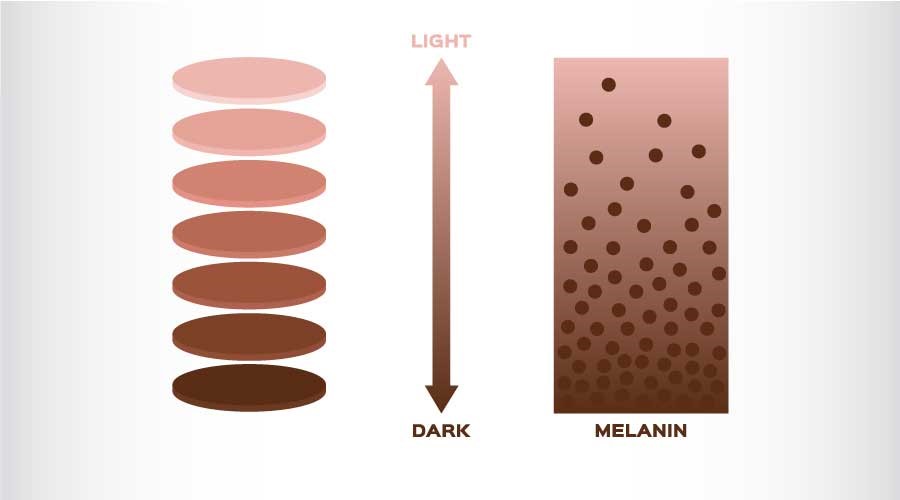
Melanin is a natural pigment of the skin. It is formed in the epidermis, where polymerization reactions occur. Melanin is an essential pigment for the human body. Its primary role is to protect the skin from the harmful effects of ultraviolet (UV) rays from sunlight, thereby helping to prevent skin cancer.
However, this pigment is often considered a “double-edged sword.” On one hand, melanin protects the skin from external environmental factors; on the other hand, it is also the cause of skin darkening and uneven tone.
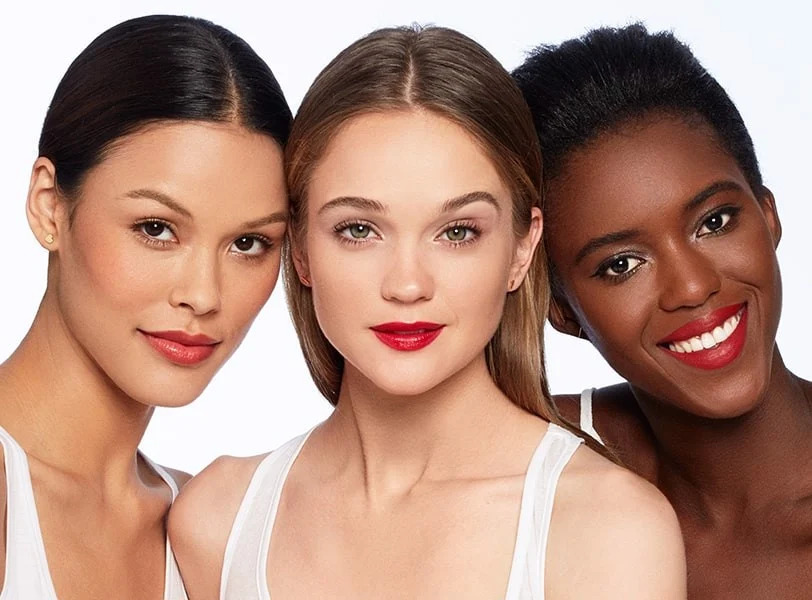
Melanin is classified into several different types of pigments:
Eumelanin
Eumelanin is a type of melanin pigment found in hair, eyes, and skin. It is divided into two main forms: black eumelanin and brown eumelanin, which have completely different molecular structures.
For example, black hair results from the presence of black eumelanin, while blond hair is associated with brown eumelanin. As people age, the body may stop producing brown eumelanin and produce only black eumelanin, which can contribute to the appearance of gray hair.
Pheomelanin
Pheomelanin is the pigment responsible for yellow to red tones in the body. Individuals with higher levels of pheomelanin may be more prone to redness or acne. The metabolic interaction between pheomelanin and eumelanin can also create another pigment called trichochromes. However, trichochrome levels are relatively low and do not significantly affect the body.
Neuromelanin
Neuromelanin helps regulate the color of nerve cells. It is an insoluble polymer pigment. Scientists have not yet fully identified its biological function in the human body. Neuromelanin can bind to heavy metals and certain toxic substances, suggesting it may be related to cellular degeneration processes.
Causes of Increased Melanin Pigmentation
There are many reasons why melanin levels in the skin may increase rapidly, including:
- Genetics: This is one of the most common causes. If parents have high melanin levels, their children may inherit a tendency toward hyperpigmentation, freckles, or melasma.
- Sun exposure: Direct exposure to sunlight stimulates melanin production to protect the skin from UV rays.
- Birth control pills: Long-term use can disrupt sex hormones, leading to increased melanin production and darker, uneven skin tone.
- Postpartum changes: After childbirth, a sudden drop in estrogen can cause hormonal imbalance (MSH), which stimulates melanin production.
- Overuse of cosmetics: Rapid whitening products may contain harmful ingredients that thin the skin and make it more sensitive to sunlight.
- Aging: Women over 30 often experience reduced estrogen levels, which can lead to increased melanin production.
Solutions to Reduce Melanin Pigment and Improve Skin Appearance (from the U.S.)
To improve hyperpigmentation, you may consider using skin-brightening dietary supplements. One of the products currently trusted by many users is Glutamax 1000 from the U.S.
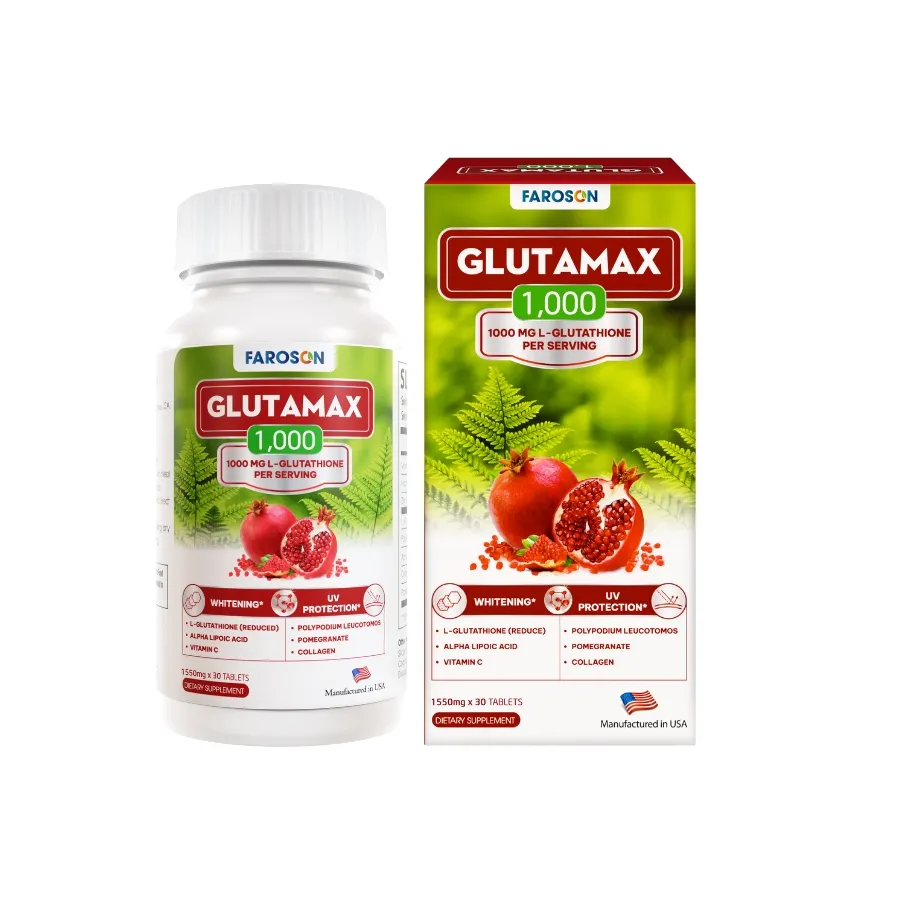
Because it contains Glutathione — a nutrient that helps inhibit melanin production — Glutamax 1000 may support smoother, brighter, and more radiant skin.
In summary, the information above explains what melanin is and how it affects the skin. Hopefully, this article provides useful knowledge to support your skincare and beauty journey.
Contact Details
Customer Support: 0416 716 401
Website: https://faroson.com/
Facebook: https://www.facebook.com/Faroson.au/
Instagram: https://www.instagram.com/faroson_au/